
































Preparing machines and equipment for winter: Tips for maintenance of hydraulics, lubricants and protection against freezing
Winter is a challenging season for both machines and their operators. Freezing temperatures, moisture, and snow can significantly reduce the performance and lifespan of machinery if it is not properly prepared. Here are some practical tips to protect your equipment and ensure reliable operation even during the harshest winter conditions.
1. Maintenance of Hydraulic Systems
Hydraulic systems are sensitive to temperature fluctuations, so they require special attention:
Check hydraulic oil: Inspect the oil's viscosity. Low temperatures can cause the hydraulic fluid to thicken or freeze, reducing its effectiveness and energy transfer capability. Checking the fluid before winter ensures it is suitable for low temperatures and prevents freezing or viscosity reduction, which could affect system performance.
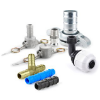
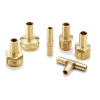
Test pressure systems: Low temperatures can affect the system’s sealing, leading to hydraulic fluid leaks. Checking seals, hoses, and all connections helps prevent issues like leaks, which can have serious consequences for system performance and safety.
Inspect components: Low temperatures can make certain hydraulic components, such as hoses, pumps, valves, and pipes, brittle and more prone to cracking or damage. Inspecting these components before winter helps identify potential issues that could cause significant failures during the cold months. Dirt in the filters can hinder oil circulation, especially in winter. Replace them before the season starts.
Condensation prevention: Ensure that the hydraulic oil tank is not exposed to moisture, which can lead to water formation and subsequent system damage.
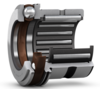
2. Bearings: Protection Against Wear and Corrosion
Bearings are essential for ensuring smooth movement and reducing friction in any machine. Autumn is the perfect time to inspect or replace them, especially if they are exposed to moisture and fluctuating temperatures. 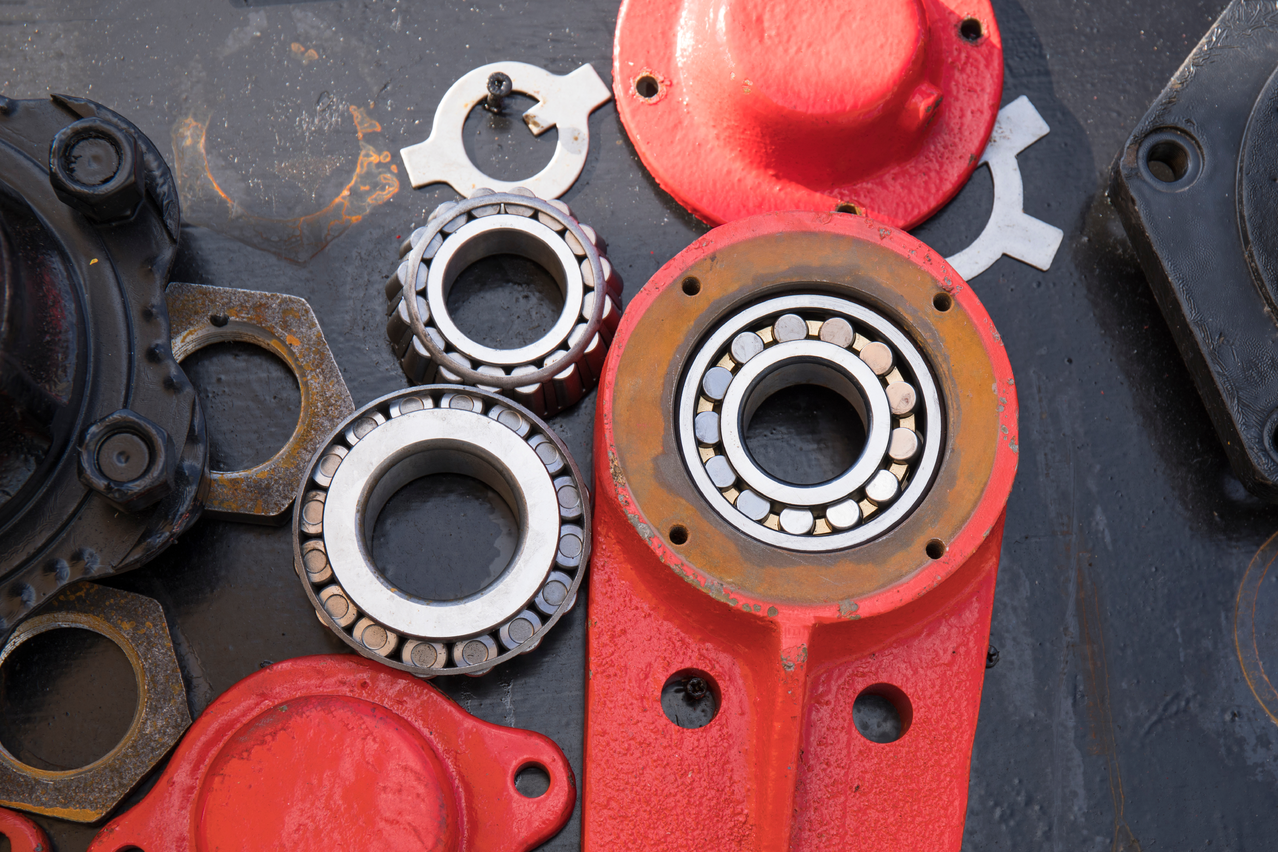
Prevention of Damage: Winter temperatures can cause lubricants in bearings to thicken or lose their lubricating properties. If bearings are not properly lubricated, they can quickly wear out or even become damaged, leading to serious machine breakdowns.
Reducing Friction and Improving Efficiency: Inspecting and properly maintaining bearings ensures that the machine operates efficiently even in colder conditions. Well-lubricated and correctly set bearings reduce friction, contributing to lower wear and longer equipment lifespan.
Preventing Blockages and Failures: Low temperatures can cause water to freeze in bearings or lead to dirt accumulation, which may cause the bearing to seize. Inspecting bearings before winter helps identify these issues and ensures proper functionality.
Maintenance and Safety: Winter conditions can significantly affect machine performance. By checking the bearings, you ensure that all parts are in good condition, and the machine will operate safely even in harsh conditions, reducing the risk of accidents and failures.
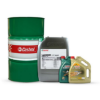
3. Lubricants and Proper Selection
Lubricants protect moving parts, but they can thicken or lose effectiveness in winter:
Prevention of Wear and Damage: In winter, lubricants can thicken or change consistency, leading to increased friction between moving parts of the machine. Properly selected lubricants that are suitable for low temperatures ensure that all moving parts are adequately lubricated, minimizing the risk of excessive wear and damage.
Reducing Friction and Improving Performance: Lubrication in winter ensures that excessive friction does not occur between metal parts, which could cause overheating and failures. Proper lubrication reduces friction, improves machine performance, and maintains efficiency even in cold conditions.
Preventing Lubricant Freezing: In extreme cold, incorrectly chosen lubricants can freeze, potentially stopping the machine's function or causing severe damage. Using lubricants specifically designed for low temperatures prevents this risk and ensures smooth operation.

Preventing Mechanism Seizing: In winter, certain machine parts, such as bearings or gears, can be prone to freezing if not properly lubricated. This can lead to seizing or damage to these mechanisms. Proper lubrication helps prevent these issues.
Maintaining Machine Efficiency and Longevity: Correct lubrication during the winter months ensures that the machine operates efficiently and without issues throughout the year. Maintaining the proper lubrication schedule helps prevent premature wear and extends the lifespan of equipment, reducing repair and replacement costs.
Ensuring Safety: Proper lubrication is also crucial for safety when operating machinery. Overheating or machine failure due to insufficient lubrication can lead to accidents, which is why it's important to regularly check and maintain proper lubrication, even during the winter months.
4. Protection Against Freezing
Freezing is one of the biggest threats to machinery in winter:
- Coolant Check: Make sure the coolant has the correct antifreeze concentration.
- Regular Engine Starts: If machines are not used frequently, starting them occasionally prevents fluid freezing and keeps batteries charged.
- Fuel System Protection: For diesel engines, use winter diesel or add additives to prevent fuel gelling.
- Cover and Storage: Machines not in daily use should be stored in sheltered spaces or covered with durable tarps.
5. Pre-Winter Inspections and Servicing
Preventive Inspection: Before the onset of freezing temperatures, have your machines inspected by a professional. Identifying small issues in advance can save you from costly repairs later.
Preventing Alternator and Charging System Problems: Winter can cause the alternator to fail in properly charging the battery if the electrical system is damaged or improperly set up. Checking the charging system before winter helps identify potential issues that could lead to the complete draining of the battery during operation.
Batteries and Electrical System: In winter, battery capacity decreases as low temperatures slow down chemical reactions, reducing their performance. A weakened or old battery may fail in cold weather, causing starting issues. Check the battery capacity and remove any corrosion from the terminals. Low temperatures can significantly impact battery performance.
Tires and Chassis: Check the tire pressure and treat the chassis with corrosion protection, especially if the machines are operating in snowy or salty conditions.
6. Bonus Tip: Don't Forget Worker Safety 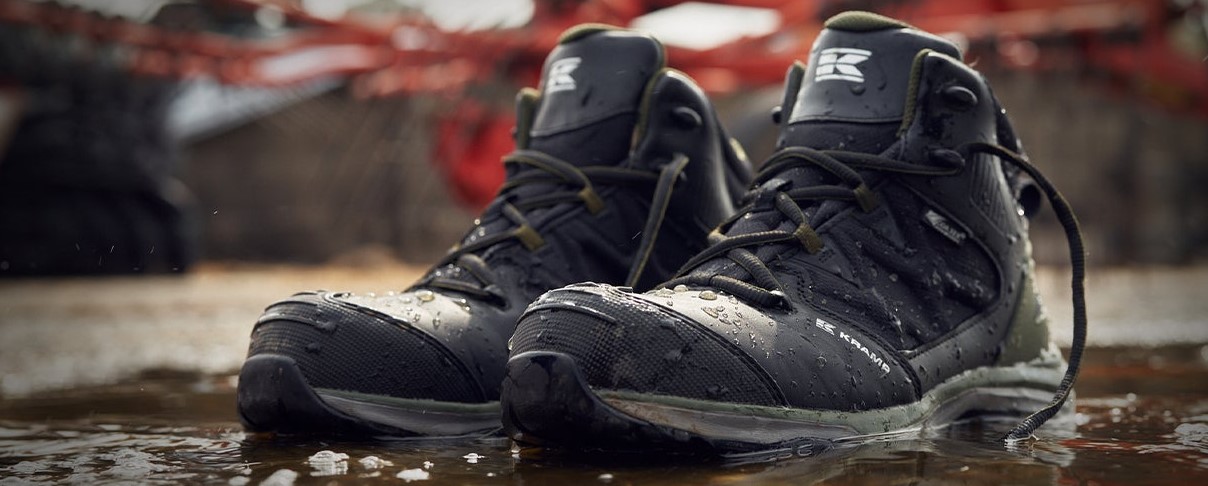
Winter Workwear: Gloves, winter jackets, pants, hats, and boots are essential to protect workers from cold and freezing conditions.
Slip-Resistant Protective Gear: Winter conditions increase the risk of slipping, so anti-slip mats, footwear, and other protective equipment should be available to ensure worker safety.
Salt and Sand for Floors: To prevent slipping and improve worker safety, salt and sand should be used on slippery surfaces and floors, which can become hazardous during the winter months.
De-Icers: Regular cleaning of machine surfaces or work areas from ice buildup with de-icers is crucial to maintaining safety and efficiency.
Winter Lighting: With shorter and dimmer days, it's essential to ensure proper lighting for the work environment to maintain visibility and safety.
Preparing machinery for winter may seem time-consuming, but these preventative measures will save you trouble, time, and money during the cold months. With proper care, your machines will operate reliably even in the harshest weather.
Be ready for winter and give your equipment the best care!


